
Introduction
Designation according to ISO/MIL
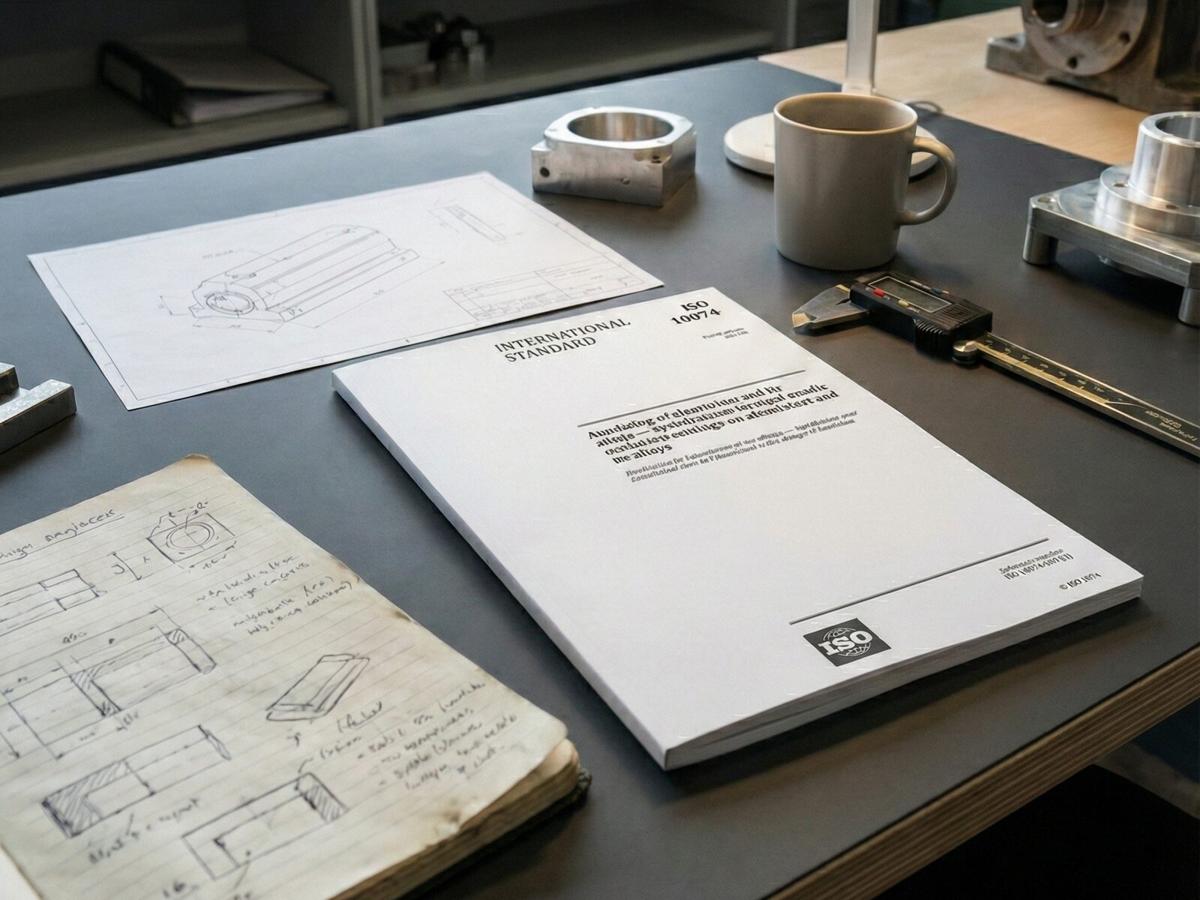
Correctly specifying the anodizing treatment is essential to ensure that the applied coating is consistent with the functional requirements of the component. An incomplete or ambiguous specification can lead to different interpretations between designer, workshop and treatment supplier, with the risk of insufficient performance, dimensional problems or non-conformity.
For traditional anodizing coatings, the main regulatory references are ISO 7599 (natural anodizing), ISO 10074 (hard anodizing) and MIL-PRF-8625 (American military standard).
The service
Durox srl carries out clear and hard anodizing of aluminum to ISO 7599, ISO 10074 and MIL-PRF-8625. Discover the aluminum anodizing service or contact Durox srl.
Natural Anodizing
Reference Standards
| Standard | Title | Scope |
|---|---|---|
| ISO 7599 | Anodizing of Aluminium and its alloys - Method for specifying decorative and protective anodic oxidation coatings on Aluminium | International standard for decorative and protective anodizing |
| UNI 10681 | Alluminio e leghe di alluminio - Caratteristiche generali degli strati di ossido anodico per uso decorativo e protettivo | Italian reference standard |
| MIL-PRF-8625 Type II | Anodic Coatings for Aluminum & Aluminum Alloys - Type II: Sulfuric acid anodizing | US military standard for conventional sulfuric acid anodizing |
Thickness definition according to ISO 7599
For natural anodizing (Type II), ISO 7599 standard defines standard thickness classes:
| Class | Minimum Average Thickness |
|---|---|
| AA 5 | 5 µm |
| AA 10 | 10 µm |
| AA 15 | 15 µm |
| AA 20 | 20 µm |
| AA 25 | 25 µm |
Designation according to ISO 7599
The complete designation for natural anodizing should include:
Anodizing ISO 7599 – Al [alloy] / AA [thickness class] / [coloring] / [sealing]
Practical example:
Anodizing ISO 7599 – Al 6082 / AA 15 / Black / Hot sealing
This specifies:
- Aluminum alloy: 6082
- Thickness class: AA 15 (15 µm minimum)
- Coloring: black
- Post-anodizing treatment: hot sealing
Hard Anodizing
| Standard | Title | Scope |
|---|---|---|
| ISO 10074 | Anodizing of Aluminium and its alloys - Specification for hard anodic oxidation coatings on Aluminium and its alloys | International standard for hard anodizing |
| UNI 7796 | Rivestimenti per ossidazione anodica dell'alluminio e leghe di alluminio - Ossidazione anodica a spessore - Requisiti e istruzioni generali di controllo | Italian standard for thick anodizing |
| MIL-PRF-8625 Type III | Anodic Coatings for Aluminum & Aluminum Alloys - Type III: Hard Anodic Coatings | US military standard for hard anodizing |
Thickness definition for hard anodizing
For hard anodizing, standards define typical thicknesses:
| Specification | Nominal Thickness |
|---|---|
| ISO 10074 | 40 - 60 µm |
| MIL-PRF-8625 Type III | ≃ 40 - 60 µm |
| UNI 7796 | 30 - 60 µm |
Designation according to ISO 10074
The complete designation for hard anodizing should include:
Hard anodizing ISO 10074 – Al [alloy] / [thickness µm] / [coloring] / [sealing]
Practical example:
Hard anodizing ISO 10074 – Al 7075 / 50±10 µm / Natural / Hot sealing
This specifies:
- Aluminum alloy: 7075
- Thickness: 50 µm with tolerance ±10 µm
- Coloring: natural (dark gray)
- Post-anodizing treatment: hot sealing
Best practices for specification
It is recommended to always integrate the standard designation with:
- Required thickness range (e.g. 20-25 µm instead of just a single value "20 µm")
- Need or not for sealing (cold sealing is not compatible for food contact applications according to EN 14392)
- Roughness requirements if critical for the application
- Specific coloring (natural, black, blue, red)
- Additional functional requirements (e.g. PTFE impregnation)
- Critical surfaces and/or preferred areas for rack attachment
References for further information
For further details on:
- Thicknesses and dimensional tolerances: see section Coating Thickness
- Alloy properties: see section Aluminum Alloys
- Sealing treatments: see section Sealing Treatments
- Specific OX coatings: see section OX Coatings