


Introduction
What is Anodizing
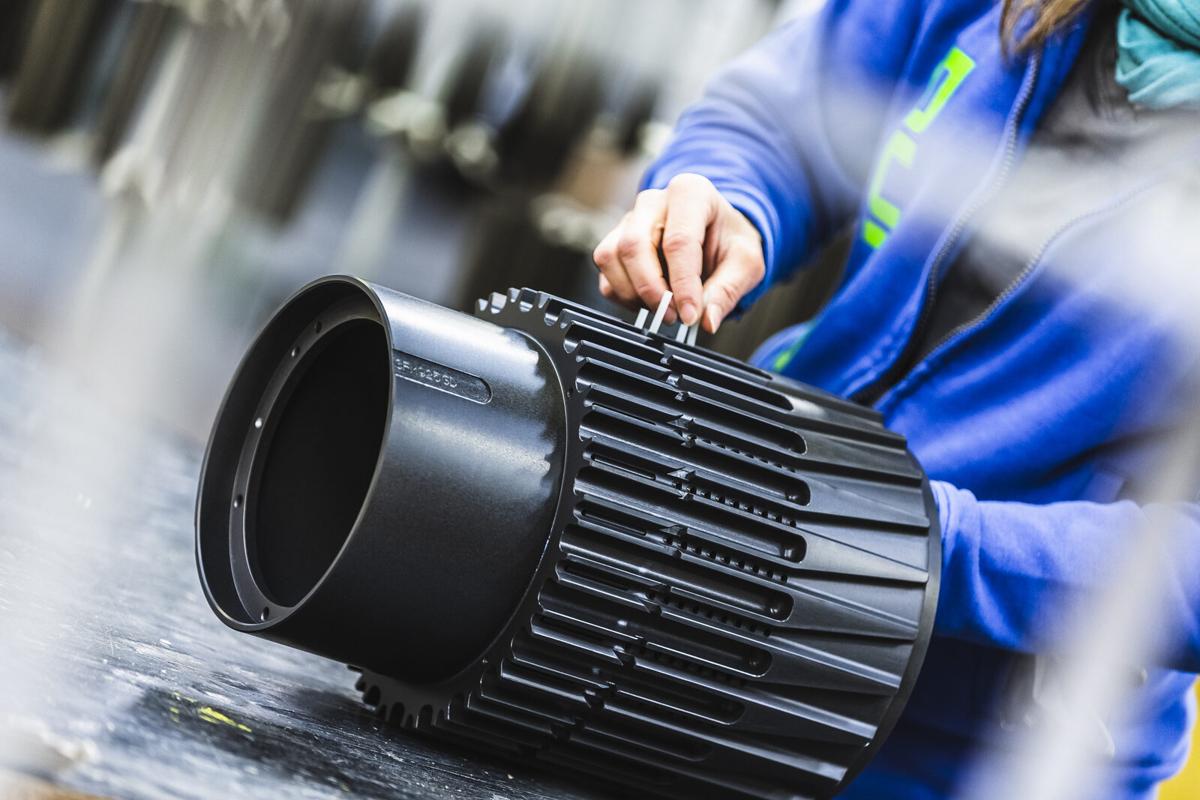
Anodizing of aluminum, also called anodic oxidation, is an electrolytic process that forms a protective layer of aluminum oxide on the surface of components. This surface treatment is primarily used for functional applications where corrosion resistance, hardness, thickness uniformity, and repeatable surface performance are required.
Unlike purely decorative treatments, anodizing is selected when the coating becomes an integral part of the component's functionality, influencing its in-service behavior in terms of corrosion protection, wear resistance, friction, and long-term stability.
The service
Durox srl carries out clear and hard anodizing of aluminum with OX-A, OX-HS and OX-W treatments. Discover the aluminum anodizing service or contact Durox srl.
The anodizing process
Anodizing consists of an electrochemical process through which a layer of aluminum oxide is formed on the surface of the part to be treated. The component is immersed in a 20% sulfuric acid solution that acts as an electrolyte. The positive pole is applied to the aluminum piece (hence the name "anodizing") while the negative pole is connected to a cathode present in the solution.
By applying direct current to the electrolytic cell, oxygen ions develop on the surface of the piece which, combining with aluminum atoms, form a hard and compact layer of aluminum oxide.
History and development of the process
The first anodizing process, developed in the 1920-1930 decade, was based on chromic acid. This coating, called chromic anodizing, is now only performed for specific sectors such as defense and aerospace, due to the carcinogenicity of chromium salts.
Currently, the most widespread and widely used anodizing process is based on sulfuric acid, considered "eco-friendly" as it does not use substances such as heavy metals, solvents, or carcinogenic substances.
Structure of the oxide layer
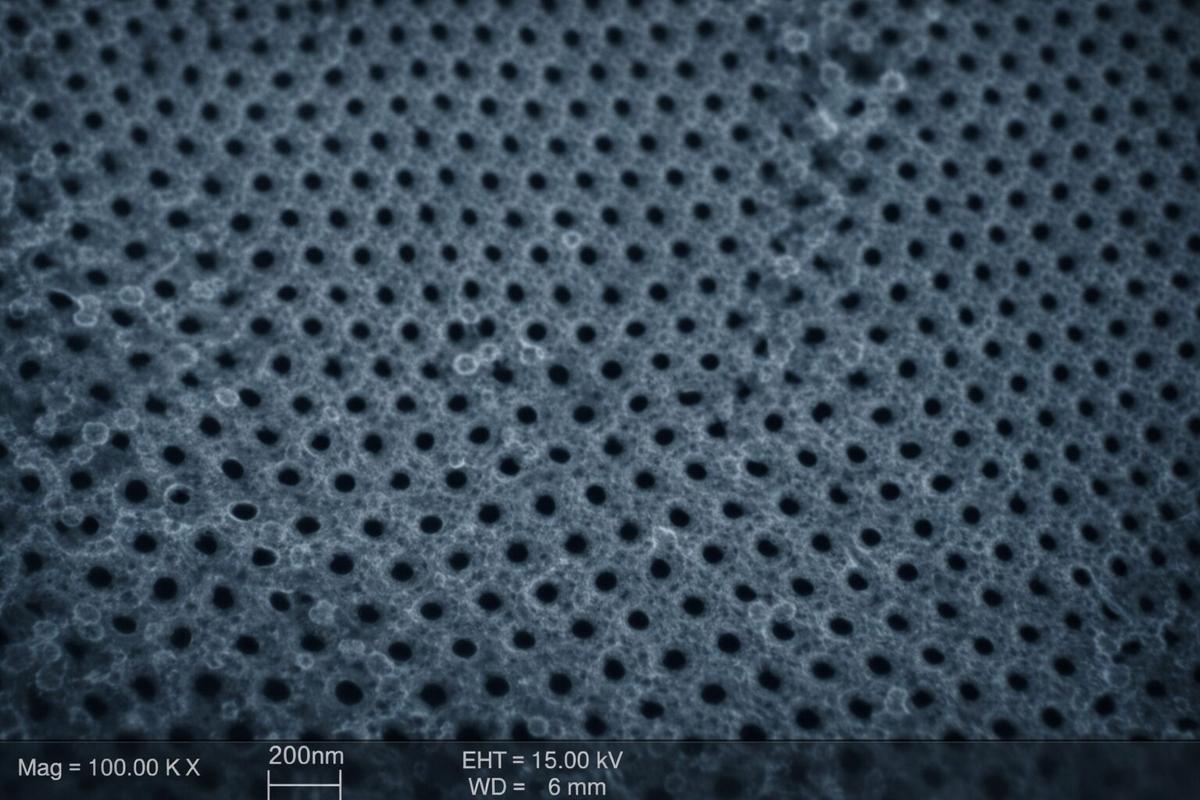
The aluminum oxide formed through the sulfuric anodizing process has a honeycomb columnar structure, with hexagonal-shaped cells and a central porosity that extends for almost the entire depth.
The anodizing process forms porosity with a diameter of approximately 20-40 nm and a distance between pores of approximately 100 nm. This porous structure is fundamental for subsequent coloring and sealing operations of the coating.
Types of anodizing
Two different types of sulfuric anodizing can be distinguished, which differ both in surface characteristics and process parameters:
Natural Anodizing
Natural anodizing, also called decorative anodizing, is mainly used for protective purposes in mildly aggressive environments or for decorative purposes. It is light gray in color and lends itself very well to being colored using pigments that penetrate the oxide layer.
- Reference standards: ISO 7599, MIL-PRF-8625 Type II
- Typical thickness: 10-20 µm
- Process temperature: 20°C
- Applications: components with aesthetic requirements, light corrosion protection
Hard Anodizing
Hard anodizing improves and enhances the characteristics of natural anodizing thanks to a very dense and compact oxide layer with high hardness and excellent corrosion resistance.
- Reference standards: ISO 10074, MIL-PRF-8625 Type III, UNI 7796
- Typical thickness: 30-60 µm
- Process temperature: -5°C
- Applications: mechanical components subject to wear, aggressive industrial environments
The differences in the anodic layer are due to the use of different operating parameters, especially the electrolyte temperature and the applied current. The reduced temperature of the hard anodizing process (approximately 0°C) allows for achieving high thicknesses and a very compact structure.
Main characteristics
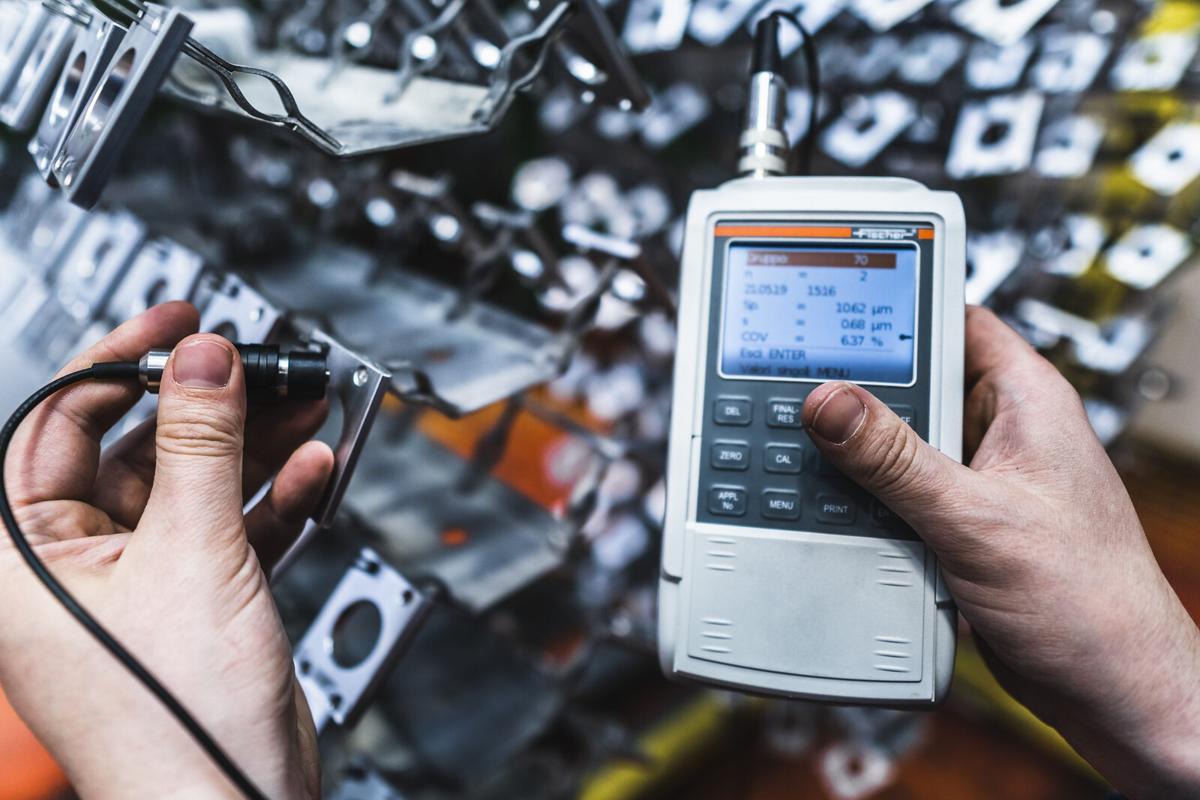
Anodizing is the most used and most appreciated coating on aluminum as it provides excellent surface properties to coated pieces:
- Corrosion resistance: effective protection in aggressive environments, with the possibility of exceeding 1000 hours in neutral salt spray
- Hardness and wear resistance: surface hardness up to 500 HV, comparable to hard chrome
- Thickness uniformity: homogeneous distribution even on complex geometries
- Dielectric strength: excellent electrical insulating properties
- Coloring possibility: pigments that penetrate the oxide layer
- Eco-compatibility: process without heavy metals or solvents
Why anodizing is different from other coatings
Unlike deposited coatings (such as paints or plating), anodizing is a conversion process of the base material: the surface aluminum is transformed into aluminum oxide. This means that:
- the coating is an integral part of the component, it cannot flake or detach
- the layer growth is uniform on external surfaces and regular geometries
- it is possible to coat internal surfaces and holes with penetration superior to metallic plating treatments; the thickness gradually decreases in deep holes, but with dedicated equipment it is possible to improve distribution
- the coating faithfully maintains the surface morphology of the mechanically worked piece, preserving the original finish
Industrial applications
Anodizing is used in multiple industrial sectors where high mechanical performance and resistance to environmental agents are required:
- Automotive: valve bodies, engine components, brake drums, hydrogen circuit parts
- Motorcycle and cycling: sprockets, chain components, frames, components
- Aerospace and defense: structural components, parts subjected to severe environmental stresses
- Industrial machinery: transfer rollers, components of printing and packaging machines
- Packaging and food processing: parts in contact with food, automatic machine components
- Medical: surgical instrumentation, diagnostic equipment
- Marine and offshore: components exposed to aggressive marine environments
How to approach treatment selection
In the following sections of the guide, the main elements useful for correctly defining the anodizing treatment are explored in depth:
- the designation according to ISO 7599 and ISO 10074, to uniquely describe the type of coating, thickness, and post-anodizing treatments
- the choice of coating thickness based on required performance and dimensional tolerances
- the role of sealing treatments to maximize corrosion resistance
- the differences between various OX coatings, based on alloy content and required properties
Anodizing is therefore a technology that requires awareness and method: if correctly understood and specified, it allows for obtaining reliable, repeatable, and high-performing surfaces even in the most demanding applications.