
Anodizing properties
Corrosion Resistance
Corrosion resistance is one of the most valued and sought-after characteristics of aluminum anodizing. The aluminum oxide layer forms a protective barrier that isolates the base material from the external environment, preventing or significantly slowing down corrosive phenomena.
Corrosion protection mechanism
Anodizing protects aluminum from corrosion through several mechanisms:
Physical barrier
The aluminum oxide layer acts as a compact barrier between the base material and the environment. This barrier presents a significant thickness ranging from 15 µm for OX-A natural anodizing up to 60 µm for OX-HS and OX-W hard anodizing. The compact structure of the oxide is characterized by high density and low porosity after the sealing process. The coating guarantees continuity over the entire treated surface, being uniform at every point (except for very deep holes). The adhesion is exceptional since the coating constitutes an integral part of the material itself and cannot delaminate.
Electrochemical protection
Aluminum oxide is electrically insulating and prevents the passage of electric currents necessary to trigger electrochemical corrosion processes. This insulating property effectively prevents the formation of galvanic corrosion when anodized aluminum comes into contact with other metals.
Unlike other commonly used surface treatments, such as chrome plating and nickel plating, which being metallic coatings are conductive and can therefore generate galvanic couples with the aluminum substrate, anodic oxide eliminates this risk thanks to its non-conductive ceramic nature.
Chemical stability
Aluminum oxide presents high chemical stability in contact with numerous substances. It effectively resists neutral solutions, including saline ones containing chlorides or other elements typically aggressive for metals, and maintains its integrity even in contact with hydrocarbons or organic solvents.
However, the anodic coating is vulnerable when exposed to acidic or alkaline solutions, which can chemically attack it, compromising its protective properties.
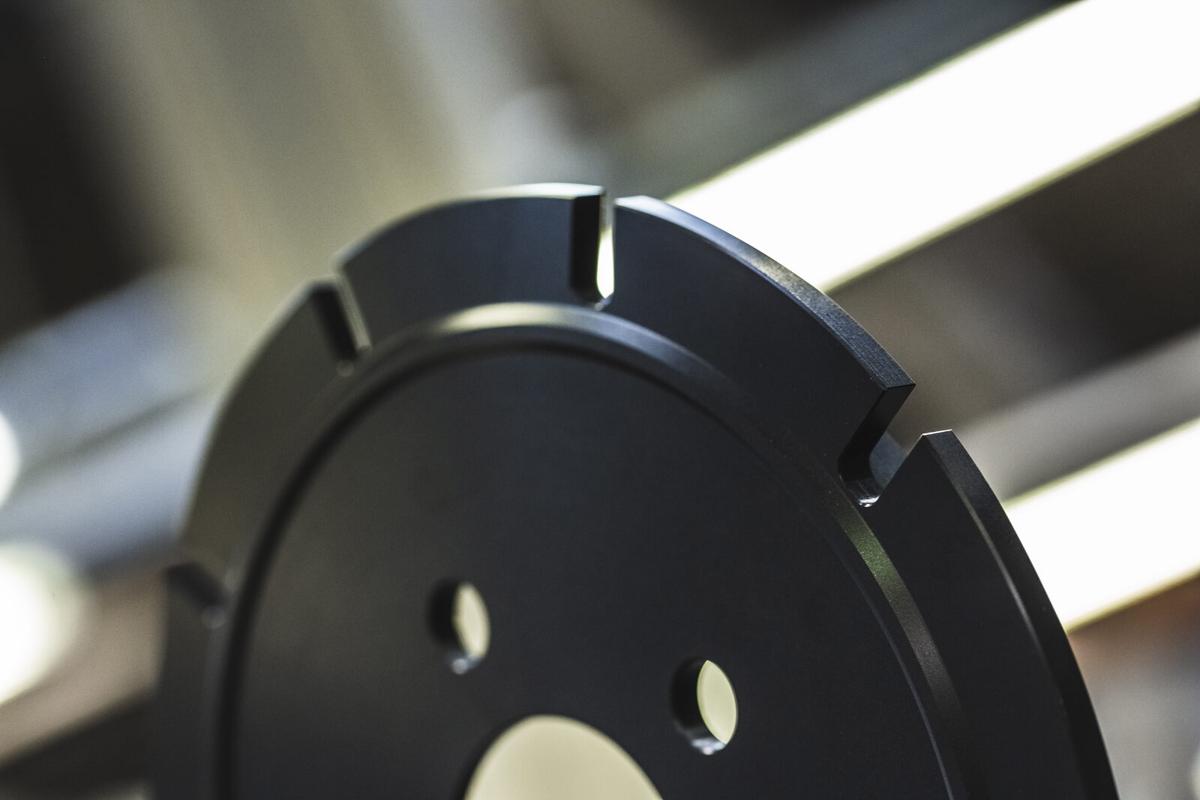
Differences in corrosion resistance between natural and hard anodizing
Natural anodizing
Natural anodizing produces an oxide layer with thickness typically between 10 and 20 µm, guaranteeing good corrosion resistance in non-particularly aggressive environments. It is a suitable solution for components intended for indoor or moderate outdoor environments, where effective but not extreme protection is required, often with an aesthetic value as well.
From a regulatory standpoint, MIL-PRF-8625F Type II requires a minimum resistance of 336 hours in neutral salt spray (NSS) with minimal corrosion appearance within the limits described by the standard.
The OX-A treatment, based on Type II natural anodizing, meets and exceeds these requirements, reaching ≥336 hours NSS on all wrought alloys. With adequate sealing, corrosion resistance can be further increased. OX-A is suitable for indoor components, non-heavily polluted urban environments, and applications requiring light and reliable protection.
Hard anodizing
Hard anodizing allows obtaining much thicker oxide layers, generally between 30 and 60 µm, characterized by a more compact and dense structure. This translates into excellent corrosion resistance, even in highly aggressive environments such as marine, industrial, offshore, or underwater.
Both MIL-PRF-8625F Type III and ISO 10074 set as minimum requirement a corrosion resistance of 336 hours NSS without evidence of corrosive attack.
The OX-W and OX-HS treatments, both based on hard anodizing, guarantee performance equal to or exceeding this limit on 6000 series alloys. In particular, OX-W is optimized to maximize corrosion resistance, with a more compact layer compared to traditional hard anodizing and the possibility, with optimal sealing, of exceeding 1000 hours NSS. It also offers excellent results on difficult alloys, such as 2000 series or high silicon content.
The OX-HS treatment instead prioritizes the thickness and robustness of the layer, reaching up to 50 µm, and is designed for extremely severe applications. With hot sealing, it also allows exceeding 1000 hours NSS, making it suitable for military, aerospace, offshore sectors and for critical components with high long-term durability requirements.
Role of anodizing pores and sealing
The anodizing layer, before sealing, presents a micro-porous structure that constitutes a potential corrosion initiation path: aggressive agents can penetrate through the pores and reach the base material, giving rise to localized corrosive phenomena.
Sealing represents a fundamental step to maximize the corrosion resistance of the anodic coating. This process acts through the hydration of the oxide layer, which causes the mechanical closure of the pores present in the micro-porous structure. The sealing of pores effectively prevents the penetration of aggressive substances toward the base material, eliminating the preferential paths for corrosion initiation.
For more details on sealing, consult the dedicated section Sealing Treatments.
Recommendation
For applications in aggressive environments or with high durability requirements, sealing is strongly recommended, even if not mandatory by regulation.
Influence of alloy on corrosion resistance
The aluminum alloy has a significant impact on the final corrosion resistance of the anodized component.
6000 series alloys offer excellent corrosion resistance, thanks to the formation of a very compact oxide layer that allows achieving maximum performance. For this reason, these alloys are strongly recommended for critical applications where corrosion resistance is a fundamental requirement.
5000 and 7000 series alloys still guarantee excellent corrosion resistance, with slightly lower performance compared to 6000 series but still adequate for most industrial applications.
2000 series alloys (high copper content) instead present reduced corrosion resistance when treated with standard process. For these alloys it is necessary to use OX-W treatment to obtain optimal performance, and their suitability for applications in particularly aggressive environments must be carefully evaluated.
Finally, casting alloys with high silicon content show compromised corrosion resistance and should be avoided for critical applications. For these alloys it is always necessary to request a specific feasibility assessment before proceeding with the treatment.
Practical recommendations
For maximum corrosion resistance
- Use 6000 series alloy (6082, 6061)
- Choose hard anodizing (OX-W or OX-HS)
- Specify high thickness (≥40 µm)
- Request mandatory hot sealing
Anodizing limitations
Anodizing offers excellent corrosion resistance in neutral and saline environments, but presents limitations in:
Acidic environments (pH <4.5)
- Aluminum oxide dissolves in acids
- Dissolution rate increases with acid concentration
- Limited protection over time
Alkaline environments (pH >8.5)
- Aluminum oxide dissolves in bases
- Dissolution is faster than in acids
- Very limited protection
For acidic or alkaline environments, consider:
- Electroless nickel plating (for aluminum, iron, copper alloys)
- Protective paints over anodizing
- Alternative materials
For more details on chemical resistance, consult the Chemical Resistance section.
Applications in aggressive environments
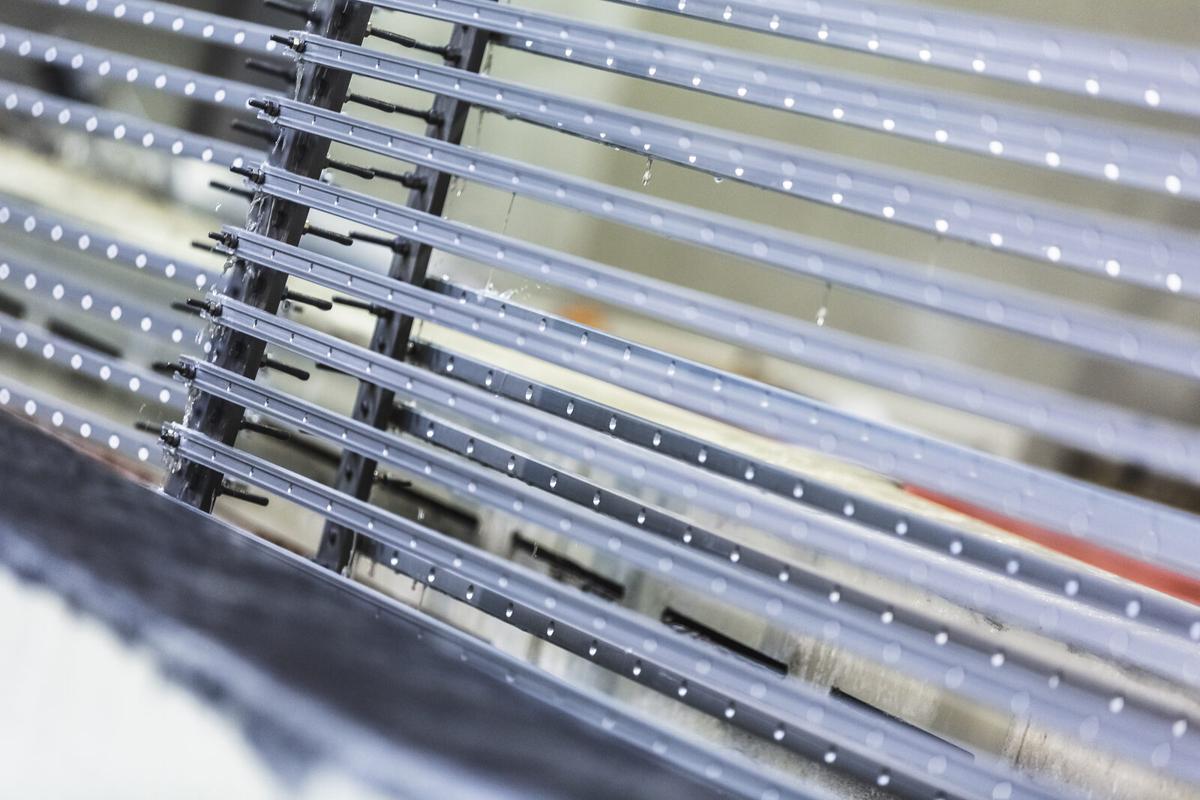
Marine and Underwater Environment
Marine and underwater environments represent one of the most critical conditions for metallic materials, characterized by continuous or periodic exposure to seawater with high chloride content (NaCl, MgCl₂), possible presence of microorganisms, and wetting/drying cycles particularly aggressive in the tidal zone.
For these applications, OX-HS or OX-W treatment with hot sealing is recommended, which guarantees effective protection even in prolonged and continuous immersion. These treatments are particularly suitable for naval, offshore, and underwater components, finding typical application in boat components, underwater equipment, offshore platforms, and port components.
Automotive and Road Salts
The automotive sector presents specific challenges related to exposure to de-icing salts (NaCl, CaCl₂), intense thermal cycles (hot/cold), presence of abrasive mud and debris, in addition to possible presence of oils and hydrocarbons.
The recommended OX-HS or OX-W treatment with sealing offers excellent resistance to road salts, resistance to typical automotive thermal cycles, and compatibility with oils and fluids. Typical applications include brake bells, valve bodies, engine and transmission components, and all parts exposed to road salts.
Hydrogen Vehicles
Applications in hydrogen vehicles require particular attention for exposure to high hydrogen pressures, the critical need to prevent leaks for safety reasons, possible presence of moisture, and the requirement for long-term reliability.
The OX-W or OX-HS treatment with sealing offers specific advantages: corrosion protection to maintain seal integrity, prevention of hydrogen leaks (fundamental aspect for safety), combination of mechanical and chemical resistance, and long-term durability. These treatments find application in hydrogen storage cylinders, valve bodies and reducers, fittings and H₂ circuit components.
For further information, consult the dedicated article on surface treatments for hydrogen vehicles.
Military and Aerospace
The military and aerospace sector presents the most extreme and demanding operating conditions, characterized by critical operating environments with exposure to aggressive substances of various nature, absolute reliability requirements, and the need to comply with particularly stringent military regulations (MIL specifications).
For these applications, OX-HS Type III treatment according to MIL-PRF-8625 is recommended, which guarantees certified compliance with military regulations, exceptional resistance in extreme conditions, and proven reliability over time. These treatments find application in aeronautical components, military equipment, military ground vehicles, and components intended for space applications.